Skip to content

Industries — Manufacturing & FMCG

Lines don't run on vacancies.

A production line is a chain of manned stations — one unfilled position throttles the whole run. Manufacturers carry the hardest version of the labour problem: shift patterns around the clock, bargaining council terms, safety inductions, and demand that swings with order books. FMCG producers carry it at higher frequency still — promotional cycles, retailer service levels and date-coded stock turn every labour gap into missed shelf commitments. The workforce answer has to respect all of it at once.

Our read on the sector

We work where manufacturing actually runs.

Manufacturing labour in South Africa is shift-system labour: two- and three-shift rotations, bargaining-council terms — MEIBC in metals, others by sector — and lines that are balanced to a headcount, not a hope. A vacancy on a line isn't one job undone; it's a bottleneck that drags takt time, scrap rates and overtime bills for everyone else on the shift.

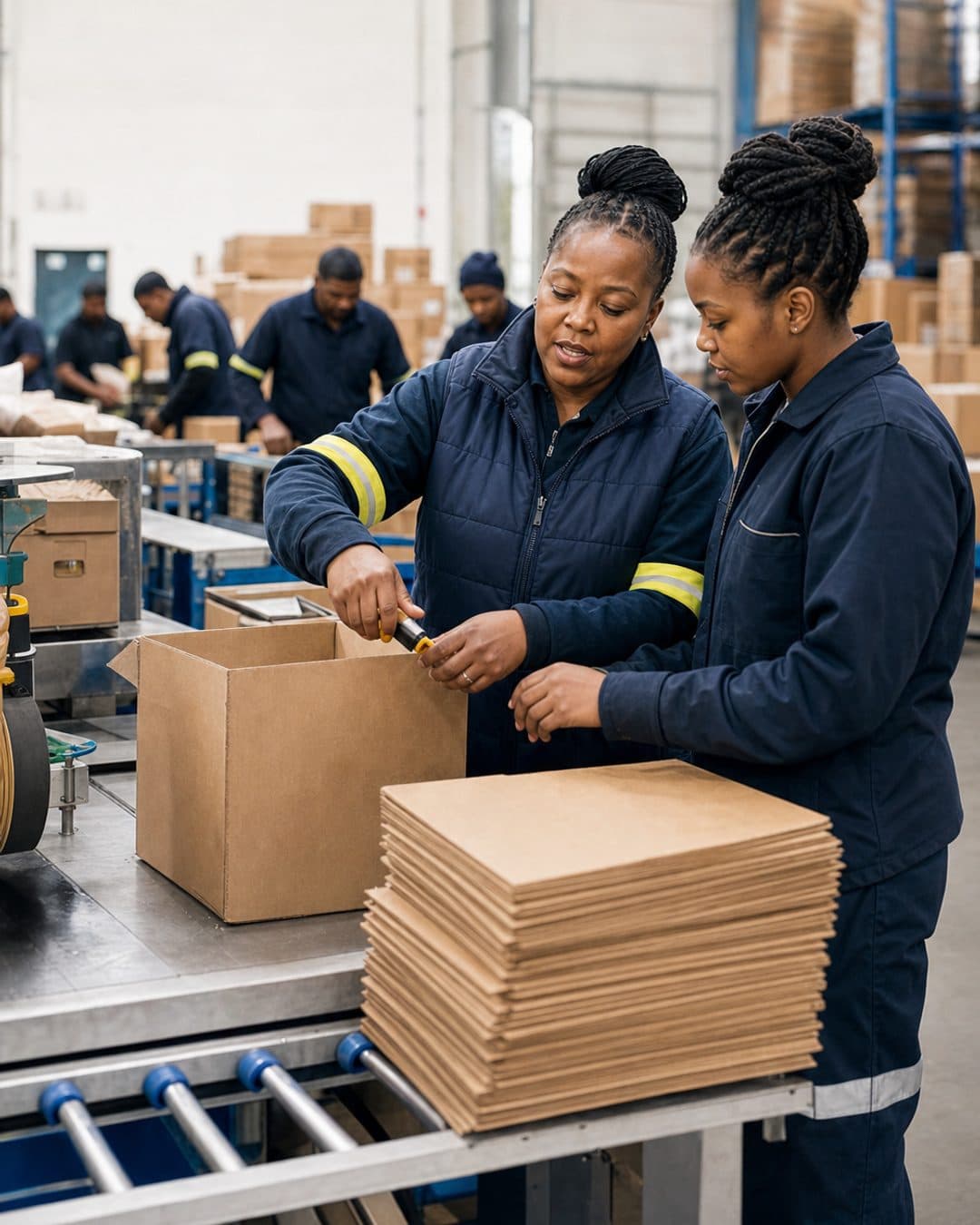
We supply and manage operators, assemblers, packers and general workers into these environments with the paperwork done properly: council alignment priced in from the start, medicals and inductions completed before first shift, and replacement protocols that respect line-balance rather than just filling a name on a roster. In FMCG plants the same engine runs at retail speed — hygiene-inducted packing and co-packing crews that flex with promotional calendars, listings and date-coded stock, because a missed production window in FMCG is a missed shelf, and retailers keep score.

What actually breaks in manufacturing operations.

01

One vacancy can idle a line

Line-balanced production means labour gaps have multiplied cost: a missing operator idles machines and people around them. Replacement speed is a production metric.

02

Shift work needs contracted discipline

Rotating shifts, night premiums and overtime rules are compliance terrain. Getting them wrong creates disputes; getting them contractually right keeps the roster defensible.

03

Order books move faster than headcount

A contract win or a lost customer changes labour demand in weeks. Fixed permanent structures respond in months. Contract workforces respond in days.

04

FMCG runs on retailer clocks and date codes

Promotional volumes, listings and service-level penalties are set by the retailer's calendar, and date-coded stock can't wait for next week's roster. Packing and co-packing labour has to flex inside the week, hygiene-inducted and ready.

What we run for manufacturing operators.

01

Line & shift crews

Operators and general workers deployed to shift rotations, contracted on council-aligned terms with premiums priced correctly.

02

Managed contingent workforces

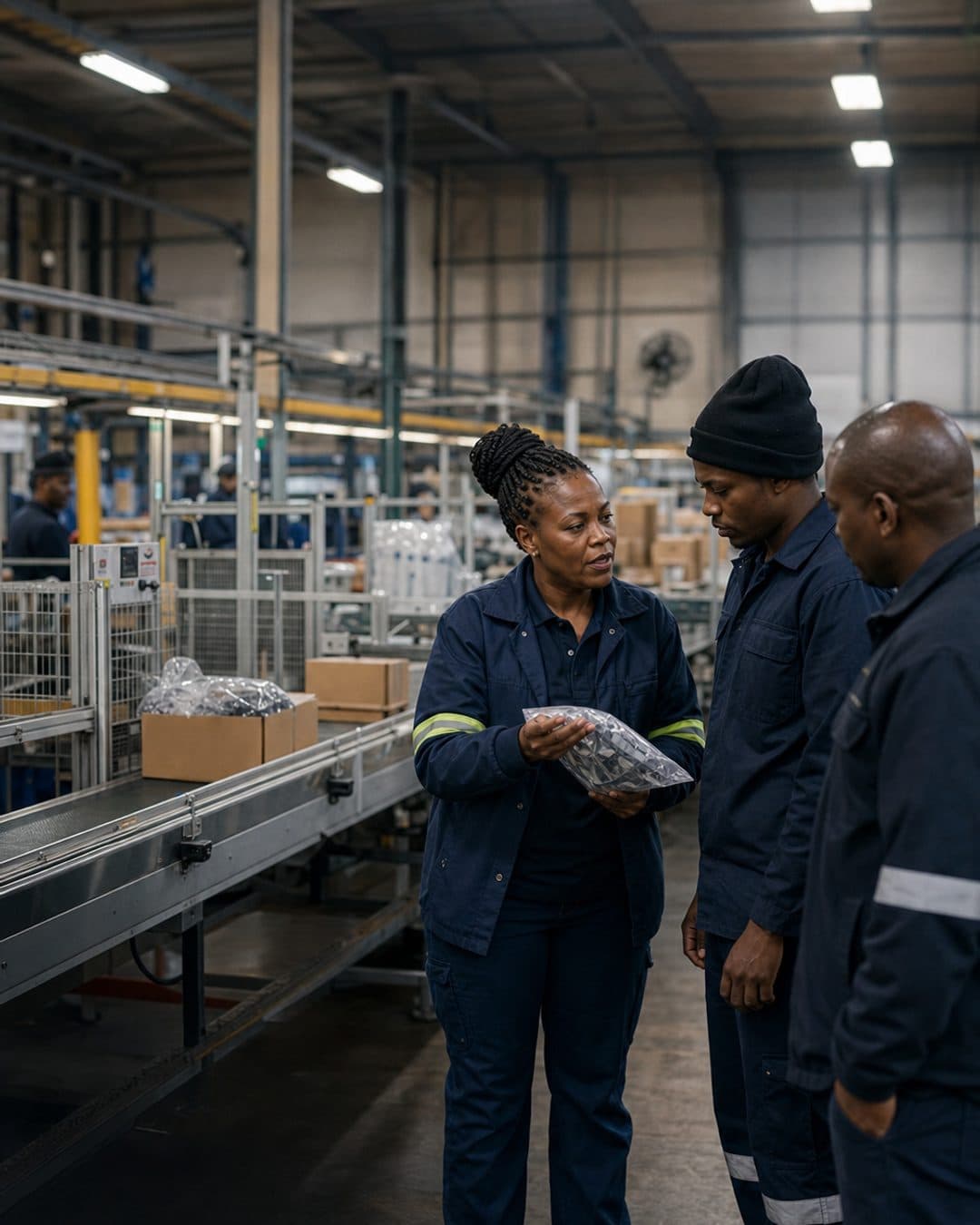
Where the contract complement is large, RiseUp team leads carry attendance, discipline and productivity reporting per shift.

03

Shutdown & maintenance crews

Fixed-term certified crews for planned shutdowns and project windows — mobilised to date, demobilised without drama.

04

FMCG packing & co-packing crews

Hygiene-inducted teams for promotional packs, displays and co-packing runs — scaled to the retail calendar, not the org chart.

05

Absence & churn cover

Inducted standby pools that keep lines balanced through leave cycles, absenteeism and ramp-ups.

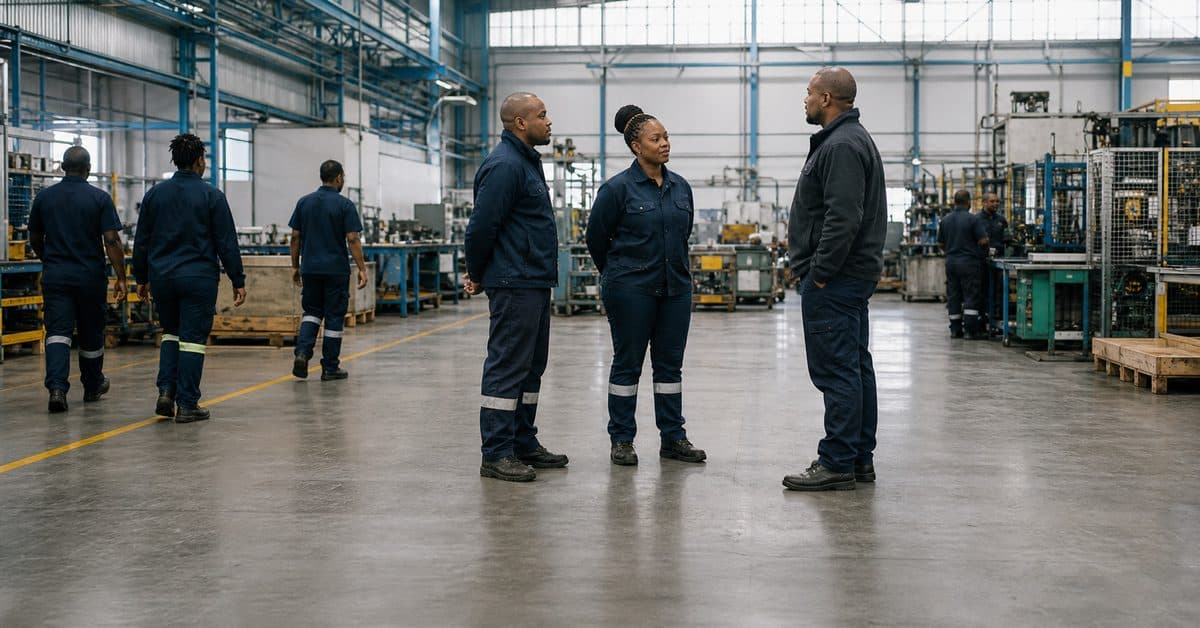
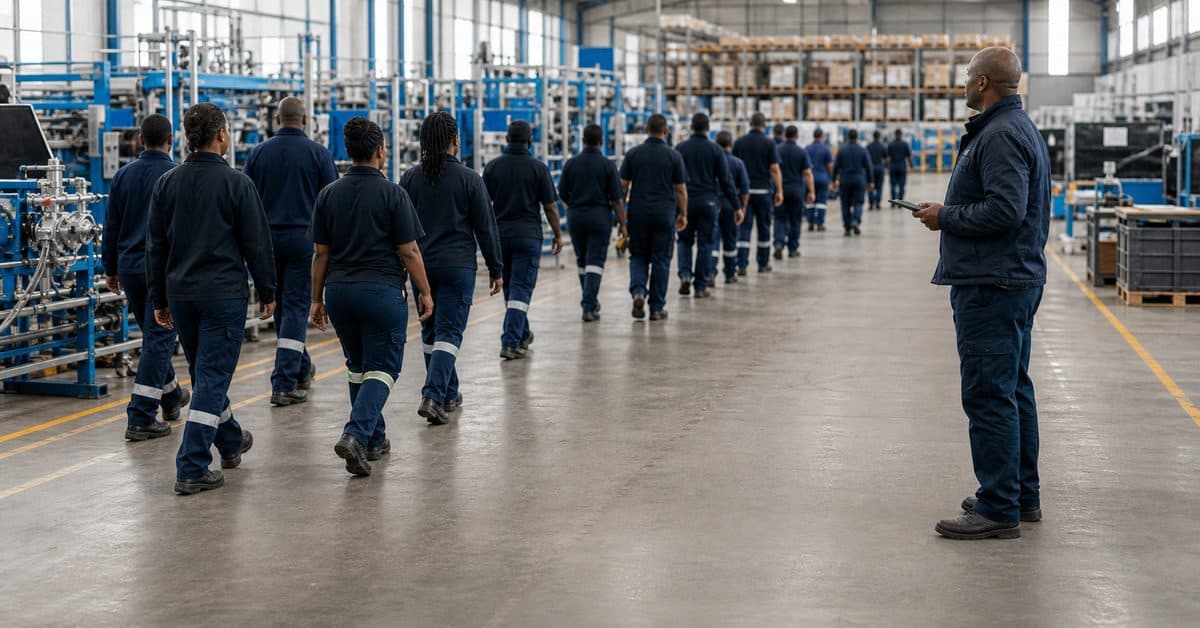
Outgoing and incoming shifts handing over on the floor

Manufacturing — in operation

Shift handover — line balance held across rotations.

The manufacturing year, as we plan it.

Rhythms vary by operation — the point is that we plan against yours, not against a generic calendar.

  1. Jan – Mar

    Post-shutdown restart and ramp-up: full crews back, standby pools tested, new-year contracts cleaned up.

  2. Apr – Jun

    Production steady-state; June maintenance windows for some plants — project crews booked ahead.

  3. Jul – Oct

    Volume builds for festive-linked production; overtime pressure is the signal to re-scope flex capacity.

  4. Nov – Dec

    Year-end push, then the December shutdown: maintenance crews in, operational crews wound down properly.

Who we deploy.

  • Machine operators and assistants
  • Production line workers
  • FMCG packers and co-packing crews
  • Food-safety inducted line staff
  • Quality control assistants
  • Material handlers and store staff
  • Maintenance assistants (shutdown crews)
  • Team leaders and shift supervisors

Compliance in this sector

Engagements are structured around the applicable bargaining council (including MEIBC where relevant), with shift premiums, leave and overtime handled in payroll — and safety inductions completed before first shift.

Compliance & IR support

Manufacturing questions, straight answers.

Do contract workers fall under our bargaining council terms?

Where a council applies, contracted terms and payroll are aligned to it. That alignment is scoped in the workforce plan before anyone is deployed — not discovered in an audit.

Can you crew a planned shutdown?

Yes — shutdowns run under Project Workforce: certified crews mapped to the maintenance schedule, mobilised for the window, demobilised cleanly after it.

What about section 198 deemed-employment risk?

We structure engagements with section 198 squarely in view and keep the documentation, rates and treatment defensible. It's covered honestly in the workforce plan, not waved away.

Where is the pressure in your manufacturing operation?

One conversation to scope roles, sites, volumes and timelines — followed by a written plan with the model, the mechanics and the numbers.