
Workforce planning · Logistics · Retail
A peak-season workforce runbook that starts in July
November's labour is decided months earlier. The planning sequence that separates operations that execute peak from operations that survive it.
RiseUp Workforce Practice · 1 July 2026 · 5 min read
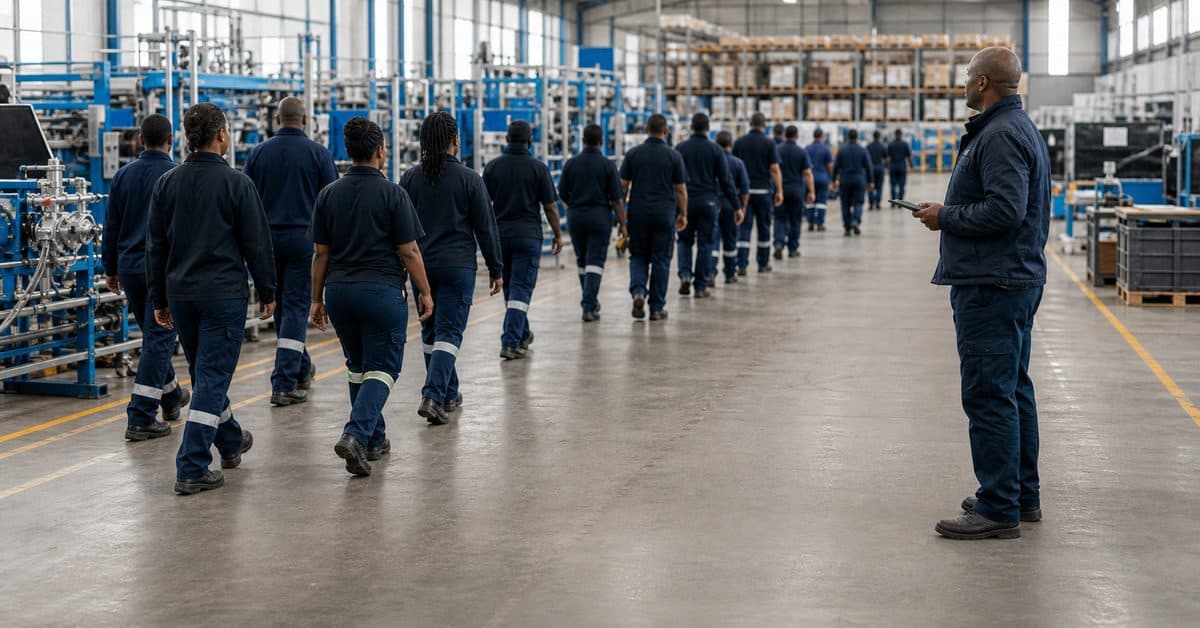
Every year, peak season surprises operations that knew exactly when it was coming. The failure is rarely forecasting — volumes are usually predicted within tolerance. The failure is that labour planning starts when the volume forecast is confirmed, which is two months too late to source, vet, contract and induct at quality.
The sequence, backwards from peak week
16+
Weeks out
Size the peak workforce from last year's actuals plus this year's growth; agree the engagement model and rates.
12
Weeks out
Pool building starts — sourcing and vetting run in batches, not in a final-month scramble.
8
Weeks out
Contracting and induction scheduling; supervisors and team-lead structure confirmed for the enlarged contingent.
4
Weeks out
Phased ramp-up begins on real volumes, so peak-week workers are experienced, not new.
Peak
Execution
Attendance control, standby cover and daily exception reporting carry the execution.
After
Review
Planned ramp-down, retention decisions on top performers, and a documented review that becomes next year's baseline.
Peak week should be the most boring week in your labour calendar. If it's exciting, the plan started late.
The single highest-leverage decision is the earliest one: choosing a workforce model that holds trained capacity against your curve without carrying it through the trough. That's a July decision, not an October one.