Skip to content

Industries — Agriculture

The season doesn't wait for recruitment.

Agricultural labour is the sharpest version of seasonal demand: harvest and packing windows measured in weeks, workforces that triple and shrink around them, and compliance scrutiny — sectoral minimum wages, housing and transport arrangements, ethical-sourcing audits — that has real commercial consequences with retail and export buyers.

Our read on the sector

We work where agriculture actually runs.

Agricultural labour is written by the calendar: deciduous fruit through the Western Cape summer, citrus through the northern winter, row crops and packhouses on their own clocks. The season doesn't wait for recruitment — and export markets add their own layer, because ethical-trade audits ask hard questions about how seasonal workers are contracted, housed, transported and paid.

We build harvest and packhouse workforces before the season needs them: crews contracted under the agricultural sectoral rules, transport and start-times planned around rural realities, and payroll run to standards that stand up in an ethical audit, not just a payslip check. When the peak ends, the ramp-down is as documented as the ramp-up.

What actually breaks in agriculture operations.

01

Harvest windows are hard deadlines

Crops set the schedule. A packhouse short of hands in week two of a six-week window loses product, not just productivity.

02

Ethical compliance is now a market-access issue

Export programmes and retail buyers audit labour practices. Documented contracts, correct wages and clean payroll aren't just legal hygiene — they protect your customer relationships.

03

Returning seasonal teams beat cold recruitment

A managed seasonal pool that returns year after year arrives trained, known and productive from day one. That pool is an asset worth administering properly.

What we run for agriculture operators.

01

Harvest & field crews

Seasonal picking and field teams contracted, inducted and transported to the season's clock — scaled week by week.

02

Packhouse shift teams

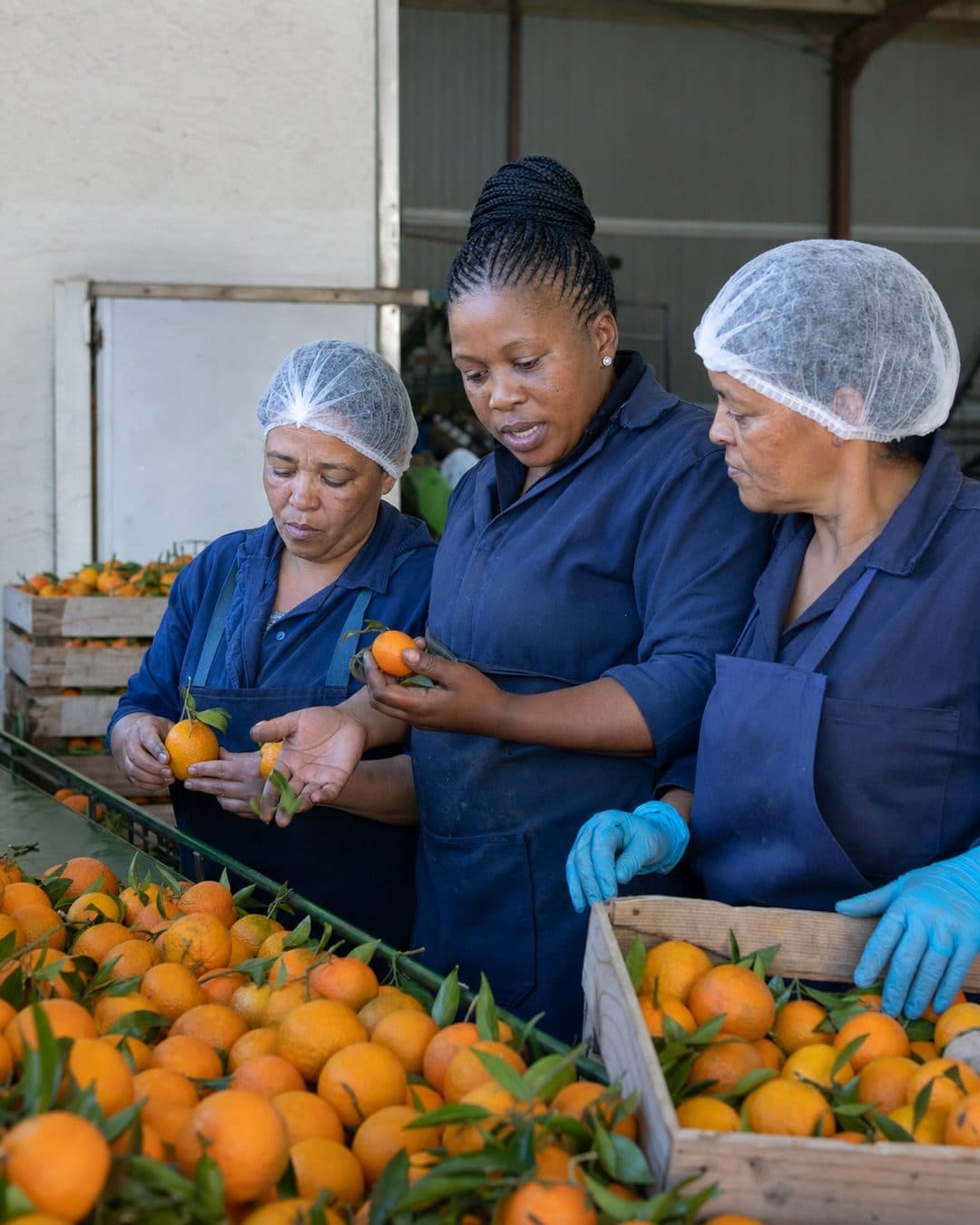
Graders, packers and forklift operators for packhouse peaks, with cold-chain and food-safety inductions done first.

03

Audit-ready seasonal payroll

Contracts, hours and payments documented to satisfy export ethical-trade audits and the sectoral determination.

04

Season-to-season continuity

Returning-worker pools with records that carry over — faster starts, better quality, fewer strangers at the gate.

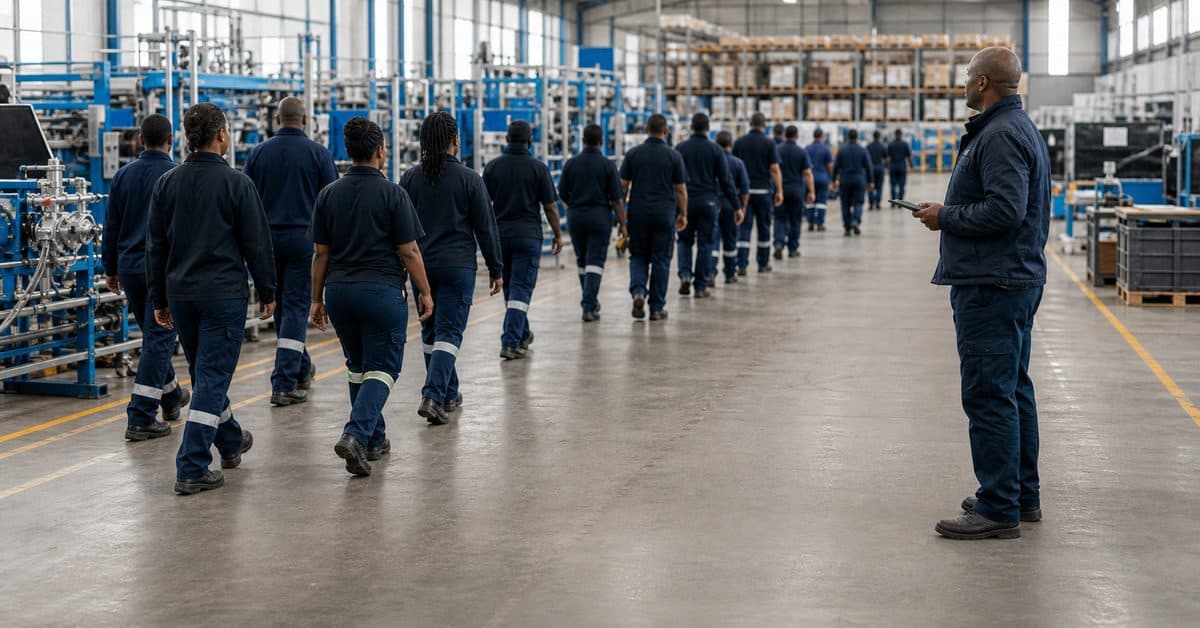
A large contract team arriving on site for the morning shift

Agriculture — in operation

Seasonal intake arriving on site — scaled up, inducted, on time.

The agriculture year, as we plan it.

Rhythms vary by operation — the point is that we plan against yours, not against a generic calendar.

  1. Pre-season

    Crew planning with growers: volumes, blocks, packhouse shifts; contracts and inductions prepared.

  2. Early harvest

    Ramp-up week by week as blocks come in — attendance discipline and transport logistics decide the week.

  3. Peak & dispatch

    Full deployment across field and packhouse; extended shifts run within the rules, cover pools on standby.

  4. Post-season

    Documented ramp-down, records closed for audits, returning-worker pools flagged for next season.

Who we deploy.

  • Harvest and field teams
  • Packhouse sorters, graders and packers
  • Forklift and equipment operators
  • Quality and cold-chain assistants
  • Seasonal team leaders

Compliance in this sector

Engagements comply with the agricultural sectoral determinations on wages and conditions, with documentation structured to stand up to ethical-sourcing and buyer audits.

Compliance & IR support

Agriculture questions, straight answers.

Can you build a returning seasonal pool for us?

Yes — that's the core of agricultural Flex Supply: a registered, documented pool that is re-contracted each season, so year one's training keeps paying back.

Do you support audit requirements from our buyers?

Contracts, wage records and payroll trails are maintained audit-ready. Where buyers run ethical audits, the documentation pack for the contract workforce is available to support them.

How do mid-season volume changes work?

Weekly volumes flex against the harvest estimate. The pool is sized with headroom, and ramp decisions are made with your packhouse or farm management on an agreed cadence.

Where is the pressure in your agriculture operation?

One conversation to scope roles, sites, volumes and timelines — followed by a written plan with the model, the mechanics and the numbers.